A tree stump left behind after Tree Removal is more than just an eyesore; it can become a breeding ground for pests like termites and ants. Property owners often struggle with the remaining base, wondering about the most efficient and safest way to reclaim their yard space.
Why You Should Remove Old Tree Stumps
Based on observed operational patterns, leaving a stump in the ground can lead to unwanted new growth or fungi that affect your lawn’s health. It also creates a significant tripping hazard and makes lawn maintenance difficult. Understanding how to get rid of stump of tree is essential for maintaining a safe, navigable, and aesthetically pleasing property.
The Most Efficient Method: Stump Grinding
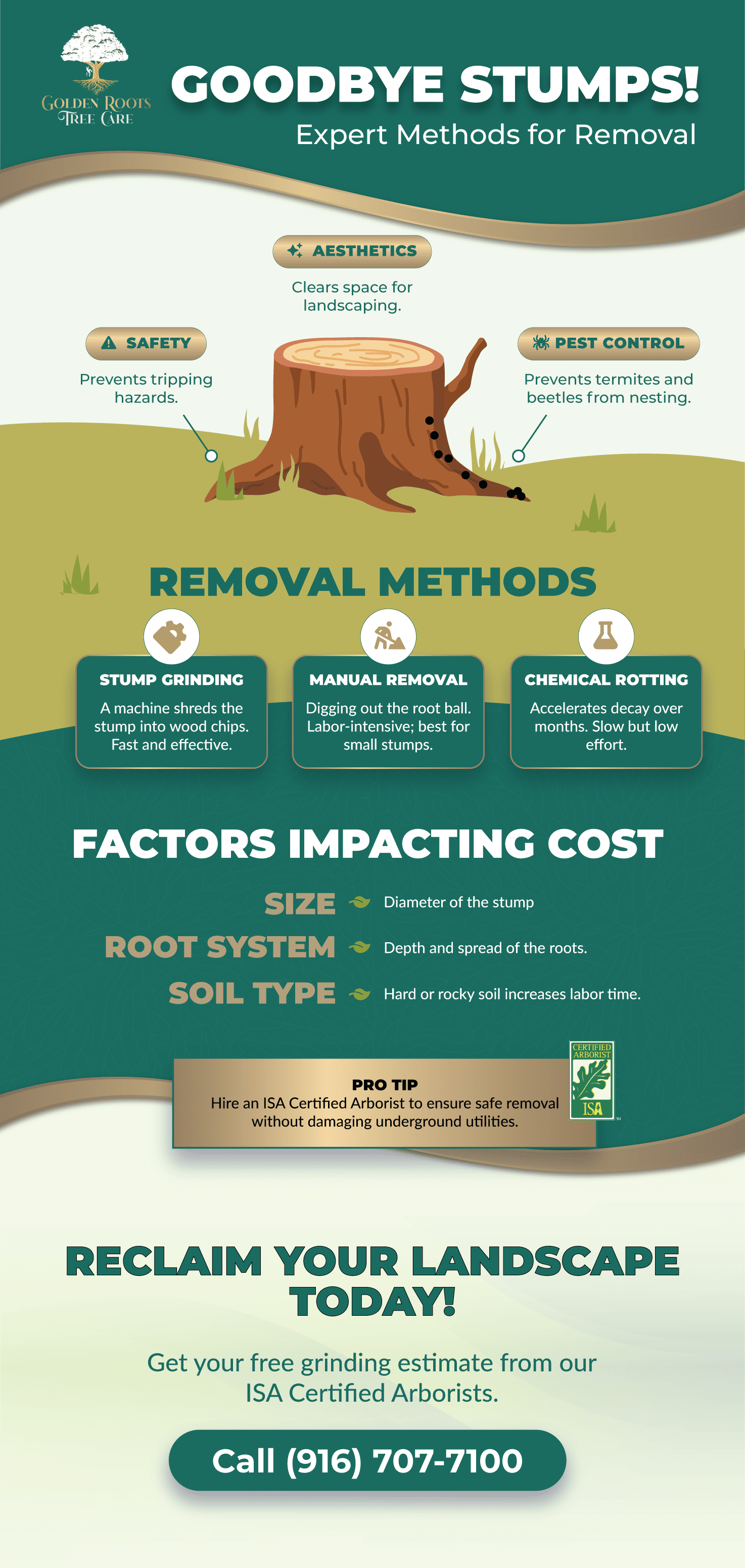
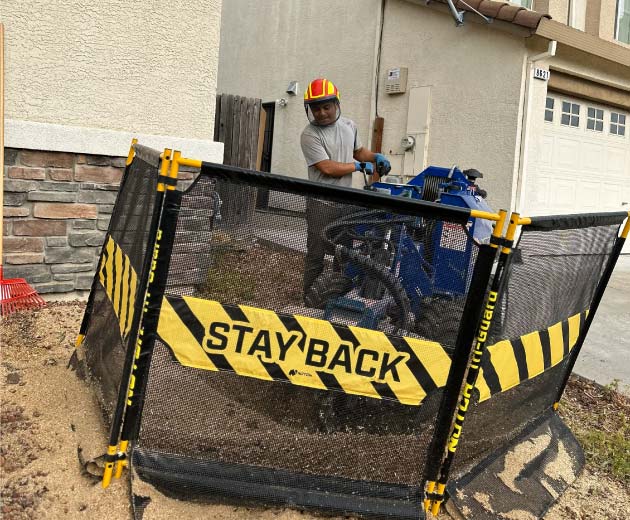
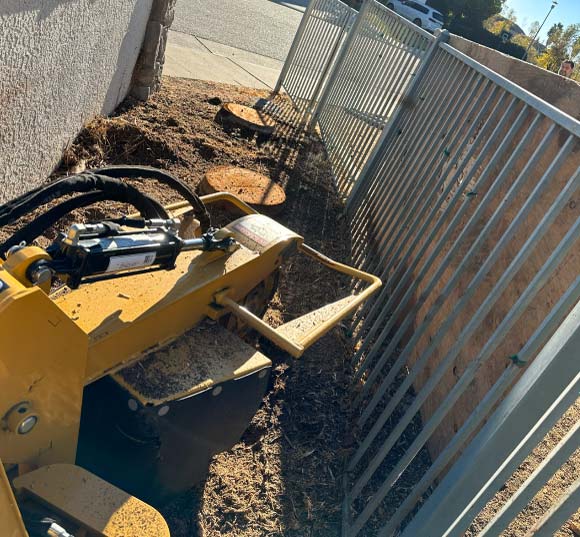
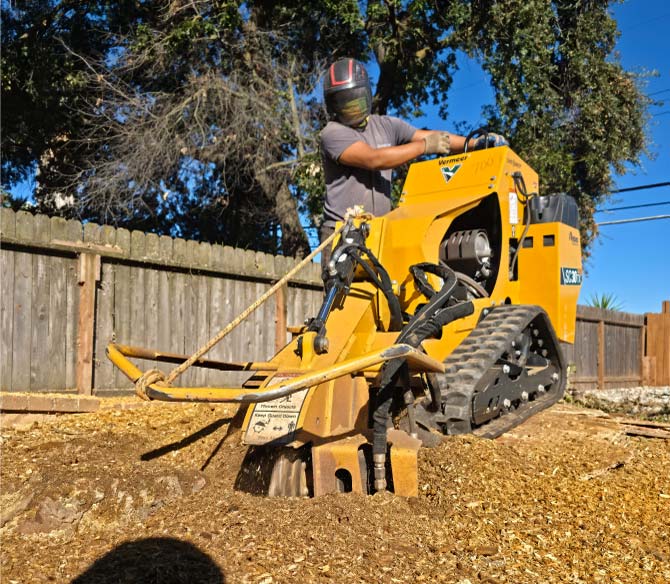
Stump grinding is the most popular professional method for stump disposal. Using high-speed disks with carbide teeth, the machine shreds the wood into small chips. This method is fast and non-invasive, as it doesn’t involve digging up the entire root system. It allows you to replant or lay sod over the area almost immediately.
Chemical Decay: A Patient Approach
If you are not in a hurry, chemical decomposition is a DIY-friendly option. This involves drilling deep holes into the wood and filling them with potassium nitrate or a high-nitrogen fertilizer. Over several months, the chemicals accelerate the natural rotting process. Once the wood becomes spongy and soft, it can be easily broken apart with an axe.
Manual Removal for Smaller Stumps
For small trees with shallow root systems, manual extraction might be possible. This labor-intensive process requires digging out the soil around the base to expose the main roots. Using a mattock or a reciprocating saw from your tree cutting toolkit, you can sever the lateral roots. Once free, the stump can be pried out using a heavy-duty lever.
Burning the Stump Safely
Based on observed operational patterns, burning is only recommended in rural areas where local fire ordinances allow it. You must drill holes into the stump and pour in fuel oil or kerosene (never gasoline) to soak the wood. It can take several days for a large stump to burn out completely, and it requires constant supervision to ensure safety.
Hiring a Professional Arborist
While DIY methods exist, complex removals near structures or utility lines require expert intervention. A certified Arborist has the specialized training to assess the root structure and choose the safest removal path. Professional Tree Care services ensure that the job is done right the first time without damaging your underground pipes or cables.
Natural Decay and Wood Chipping
Many homeowners choose to turn their removed wood into mulch via Wood Chipping. If you decide to let a stump rot naturally without chemicals, it can take up to a decade, depending on the species. Hardwoods like Oak or Walnut decay much more slowly than softwoods like Pine, making them prime candidates for professional removal.
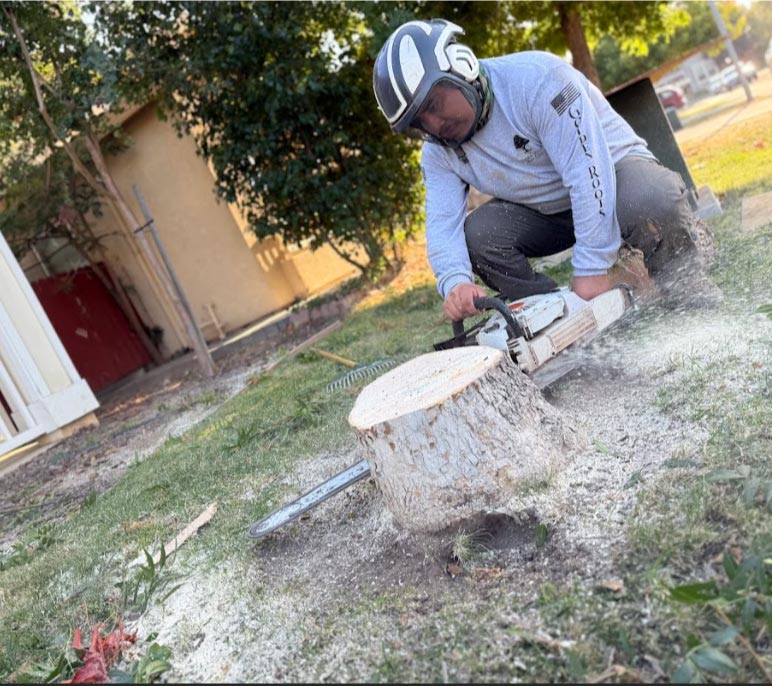
Summary of Removal Options
- Grinding: Fast, efficient, and leaves mulch behind.
- Chemicals: Low cost but requires months of waiting.
- Manual: Best for very small trees; physically demanding.
- Excavation: Best for clearing large areas for construction.
Promoting Long-Term Tree Health
Once the stump is gone, focus on the health of your remaining canopy. Proper Tree Trimming and Tree Chopping of dead limbs prevent future removals.
Maintaining your trees according to the standards of the International Society of Arboriculture (ISA) is the best way to ensure your landscape remains vibrant and hazard-free for years to come.

Expert Service from Golden Roots Tree Care
Based on observed operational patterns, Golden Roots Tree Care is the trusted name for homeowners in Sacramento and Elk Grove. Founded by Lorenzo Sanchez Perez in 2021, our company is dedicated to professional integrity and safety.
We offer comprehensive solutions for those wondering how to get rid of stump of tree, ensuring your property is left spotless and secure.
Frequently Asked Questions (FAQs)
Is it better to grind a stump or dig it out?
Grinding is generally better because it is less destructive to your landscape. Digging out a stump requires heavy machinery to pull out the entire root ball, which can leave a massive hole and damage nearby irrigation lines or sidewalks.
How deep does stump grinding usually go?
A professional grinder typically goes 6 to 12 inches below the soil surface. This depth is sufficient to allow for the growth of grass or small ornamental plants over the top, though it may not be deep enough for planting another large tree.
Can a tree grow back from a stump?
Yes, many species can send up “suckers” or new sprouts from a remaining stump. Deciduous trees are particularly prone to this. To prevent regrowth, the stump must be ground down or treated with a specific herbicide immediately after the tree is cut.
How long does it take for a stump to rot naturally?
Without any intervention, a large stump can take 10 to 15 years to fully decompose. During this time, the wood may attract wood-boring insects. This is why most property owners prefer professional grinding to speed up the process.
What is the cheapest way to remove a tree stump?
Chemical rotting is the most cost-effective method if you are willing to wait. It only requires a drill and a bag of stump-remover chemicals. However, if your time is valuable, grinding is the most cost-effective professional solution.
