Storms can be unpredictable, but the safety of your landscape doesn’t have to be. For homeowners in the Sacramento area, high winds and heavy rains pose a significant threat to structural integrity.
Learning how to prep trees for storm season is the most effective way to protect your property and ensure your greenery thrives through the winter months.
Why Pre-Storm Preparation is Vital
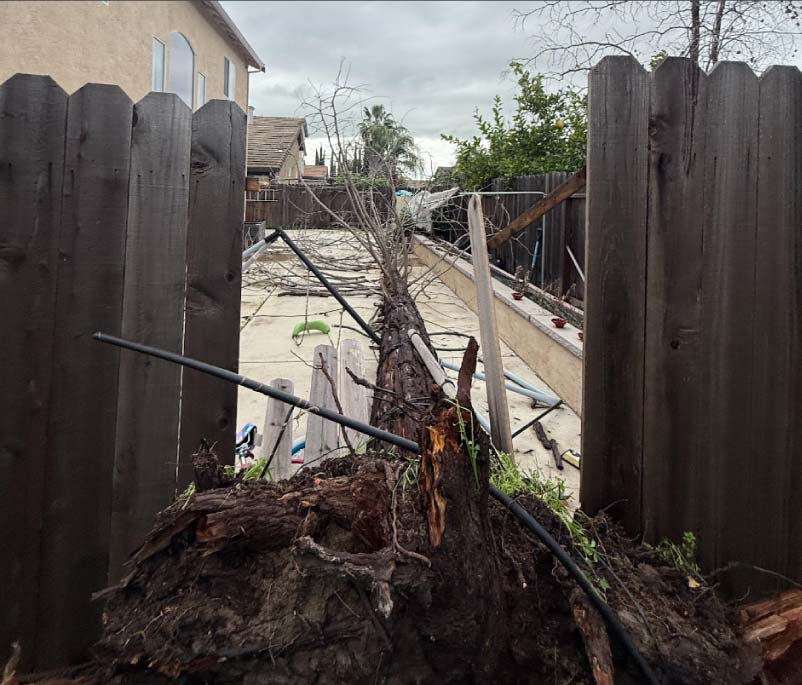
Proactive maintenance is far more cost-effective than reactive repairs. When a storm hits, weakened branches become dangerous projectiles. By investing time in early inspections, you identify potential hazards before they escalate into emergencies. Proper
Identify Potential Hazards Early
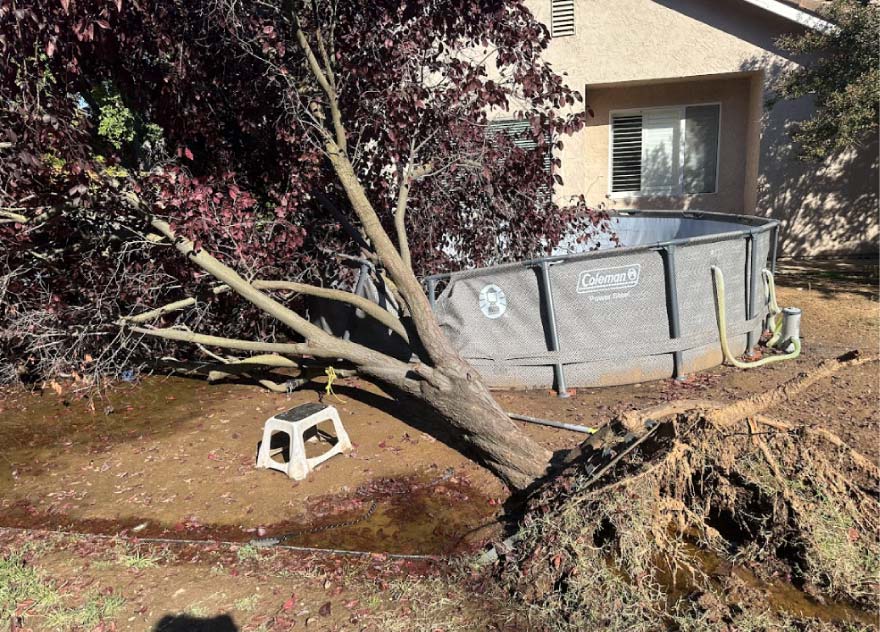
The first step in understanding how to prep trees for storm season is knowing what to look for. Check for “V-shaped” crotches where two trunks meet, as these are weaker than “U-shaped” unions.
Look for signs of decay, such as mushrooms growing at the base or hollow cavities in the trunk. If you notice a leaning tree or cracked soil near the roots, it may require professional
Critical Red Flags to Watch For:
-
Deadwood: Large, brittle branches that have no leaves or peeling bark.
-
Cracks: Deep vertical splits in the main trunk.
-
Canopy Density: A thick canopy that acts like a sail, catching too much wind.
Strategic Pruning and Thinning
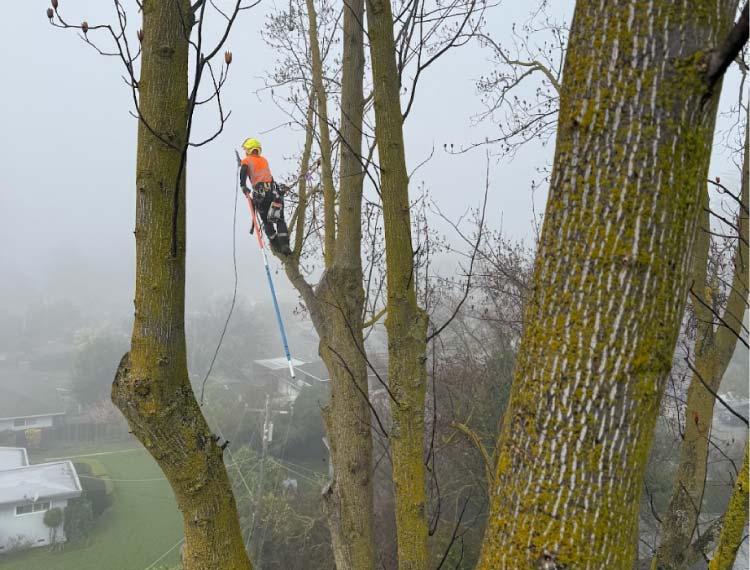
Proper pruning is a science that balances aesthetics with structural safety. Techniques like “crown thinning” remove weak, crossing, or diseased branches to allow wind to pass through the canopy more easily. This reduces the “sail effect” and prevents the entire tree from toppling.
For taller specimens,
@goldenrootstreeca Speedline over power lines #speedline #powerlines #sacramento #treework #treeclimbing ♬ I Got 5 On It (Instrumental) - Luniz
Root Health and Ground Maintenance
A tree is only as strong as its foundation. Ensure the soil around your trees is not overly compacted, which can restrict root growth and stability. If you have recently utilized
Healthy roots anchored in well-draining soil provide the best defense against the saturated ground common during heavy rain seasons.

When to Call a Professional
While basic yard cleanup can be a DIY task, high-altitude work and hazard assessment require expertise. An
Structural integrity is a complex field. To ensure your trees receive the highest standard of care, it is always recommended to consult a professional who holds a credential from the
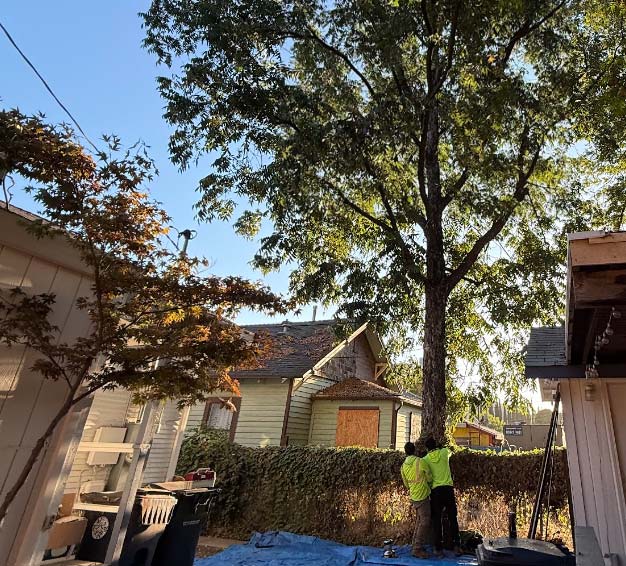
About Golden Roots Tree Care
Golden Roots Tree Care was founded in 2021 by Lorenzo Sanchez Perez, building on over a decade of industry experience and a family legacy of tree work.
As a company led by an ISA Certified Arborist, we don’t just “cut trees”—we prioritize the long-term health and safety of your landscape.
Frequently Asked Questions (FAQs)
How often should I have my trees inspected for safety?
Homeowners should ideally have a professional inspection once a year, preferably in late summer or early fall before the storm season begins.
Can a leaning tree be saved before a storm?
It depends on the cause; if the lean is new or the soil is lifting, it is often a sign of root failure and the tree may need removal. If it has always leaned, an arborist can determine if cabling or bracing is an option.
Does "topping" a tree make it safer for high winds?
No. Topping creates weak, “water sprout” regrowth that breaks easily in minor winds and leaves the tree vulnerable to decay. Crown reduction is the professional alternative.
Is it safe to trim my own trees near power lines?
Never. Any tree work near utility lines is extremely dangerous and should only be handled by line-clearance certified professionals or the utility company.
What should I do if a large branch is hanging after a storm?
Keep a safe distance and contact an emergency tree service immediately. Hanging branches, often called “widowmakers,” can fall without warning and cause severe injury.
